How to Keep Your Hair Happy in Kansas City's Dry Months
Dry months in Kansas City can sneak up fast. One week your hair feels soft and easy, then the air cools down, the heat kicks on, and suddenly everything feels frizzy, flat, or rough on the ends. Add in leftover summer color or blonding, and it can feel like your hair changed overnight.
Around Fall and early winter, many people start to notice the same things: curls losing shape, ends catching on sweaters, and color that looked glossy in August now looking a little dull. It is totally normal to question if you should book a deep conditioning treatment or just switch your shampoo. That question is actually smart, not silly.
Not every head of hair needs the same thing. Timing, hair type, and your day-to-day routine all matter. At Skyline Downtown Salon, we treat deep conditioning as one tool in a bigger healthy hair plan, not a one-size-fits-all answer. Let us break it down in a simple way so you can know what your hair is really asking for.
Why Kansas City's Air Dries Out Your Hair so Fast
When seasons shift here, our hair feels it. Fall days can be windy and cool, then evenings turn chilly, and homes and offices flip on the furnace. That mix of wind outside and heated air inside pulls moisture away from your scalp and hair shaft. Hair starts to lose that flexible, bouncy feel.
Different hair types notice this dryness in different ways:
- Fine or straight hair can get flyaways, static, and feel limp.
- Wavy and curly hair can lose definition and start to fuzz up.
- Coils can feel tight and dry on the outside but still fragile inside.
- Lightened, colored, or chemically treated hair can feel extra brittle.
Everyday habits can make things worse in the dry months:
- Long, hot showers that strip natural oils
- Rough towel-drying and tight ponytails
- Frequent flat ironing or curling without heat protectant
- Going too long between trims
Once all of that adds up, people start searching for hair deep conditioning in Kansas City or asking friends what mask they like. Before grabbing the strongest thing on the shelf, it helps to know what your hair is missing. Is it moisture, strength, or just a kinder routine?
Do You Actually Need a Deep Conditioning Treatment?
Not every dry day calls for a deep treatment. Some clear signs that a deeper service might help include:
- Hair that tangles right after you brush it
- Ends that feel rough, crunchy, or "squeaky" when wet
- Frizz that will not calm down, no matter how much cream you add
- Lots of tiny broken pieces on your shoulders or sink
- Hair that feels like straw instead of soft, even after conditioner
There are a few myths we hear all the time:
- A deep conditioner is not a magic fix for every problem.
- It will not fix severe breakage or chemical damage in one visit.
- More product or leaving it on way longer is not always better.
- Using heavy masks too often can make some hair types flat or greasy.
It also helps to know the basic difference between products:
- A deep conditioner focuses on moisture. It helps soften, smooth, and add slip.
- A simple hydrating mask is usually lighter and good for weekly at-home care.
- A protein treatment focuses on strength and structure, and can be too much if overdone.
If you are unsure what you need, you are not alone. It is completely okay to question whether you need an in-salon deep treatment or a lighter at-home routine. A good stylist will ask questions, look at your hair up close, and help you avoid wasting time and money on the wrong thing.
How We Personalize Hair Deep Conditioning in Kansas City
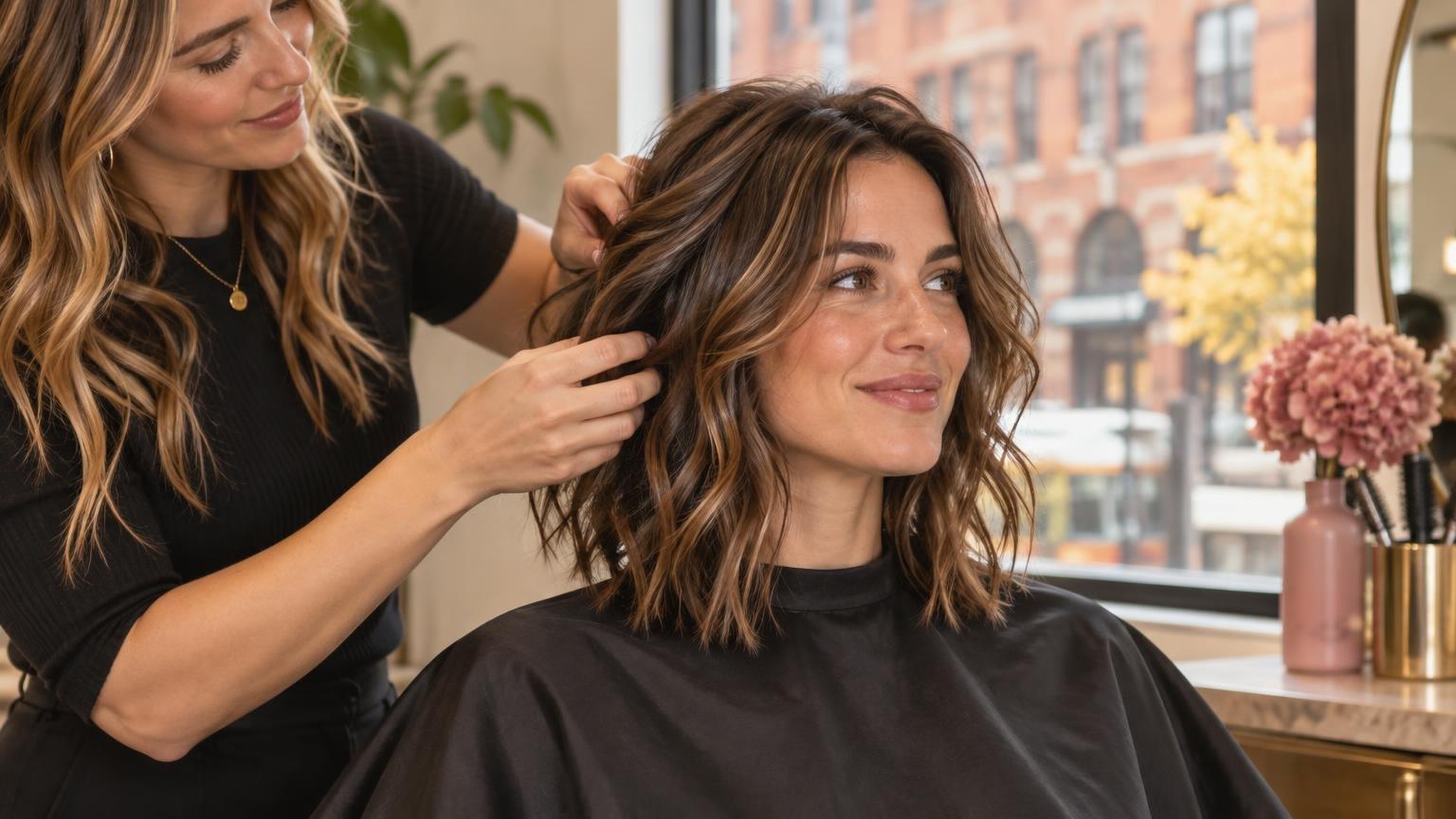
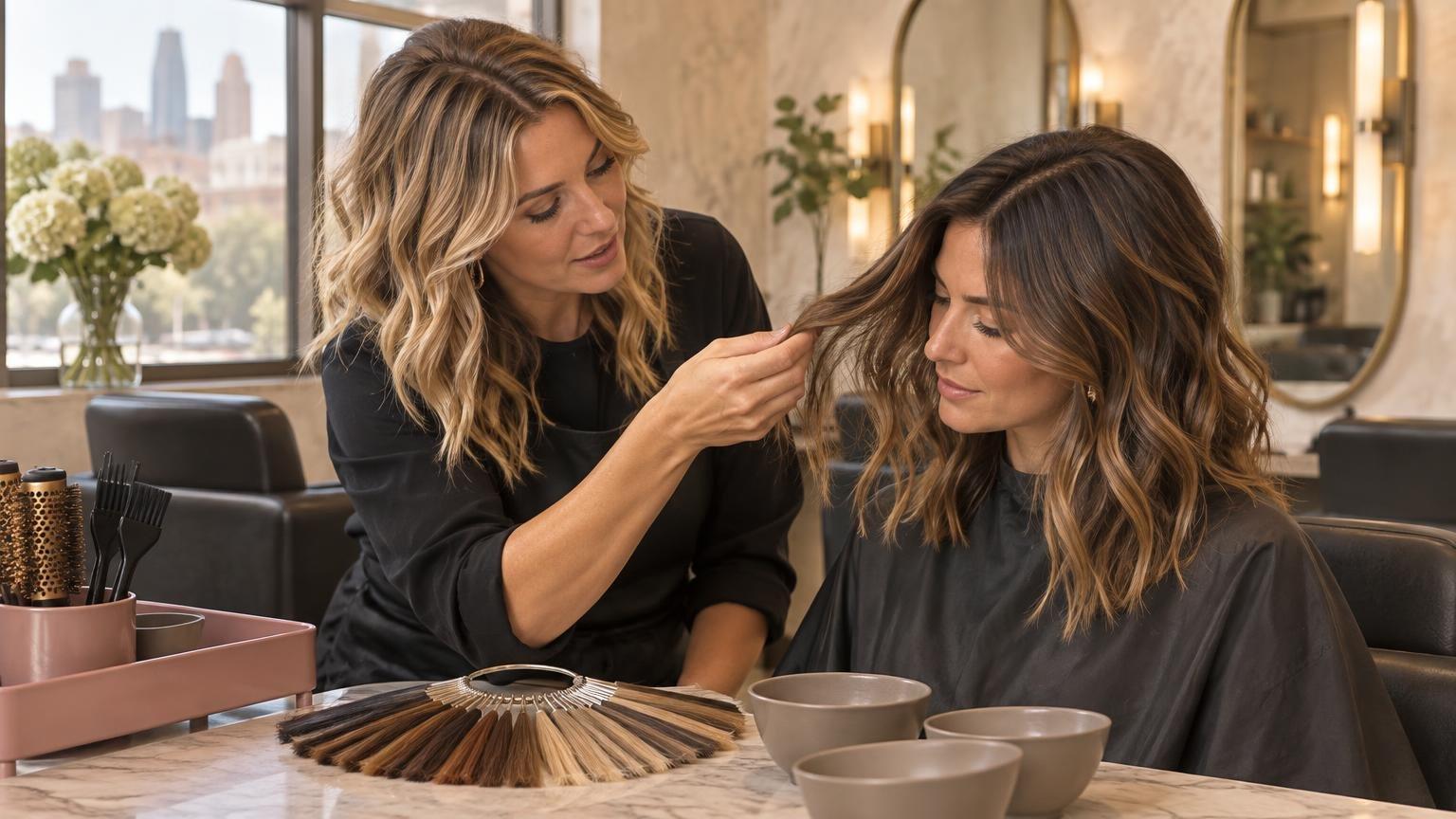
When someone comes in to Skyline for hair deep conditioning in Kansas City, we start with a conversation, not a bowl of product. We want to know your hair history, how you style it, how often you color, and what your day really looks like.
A typical in-salon conditioning visit might include:
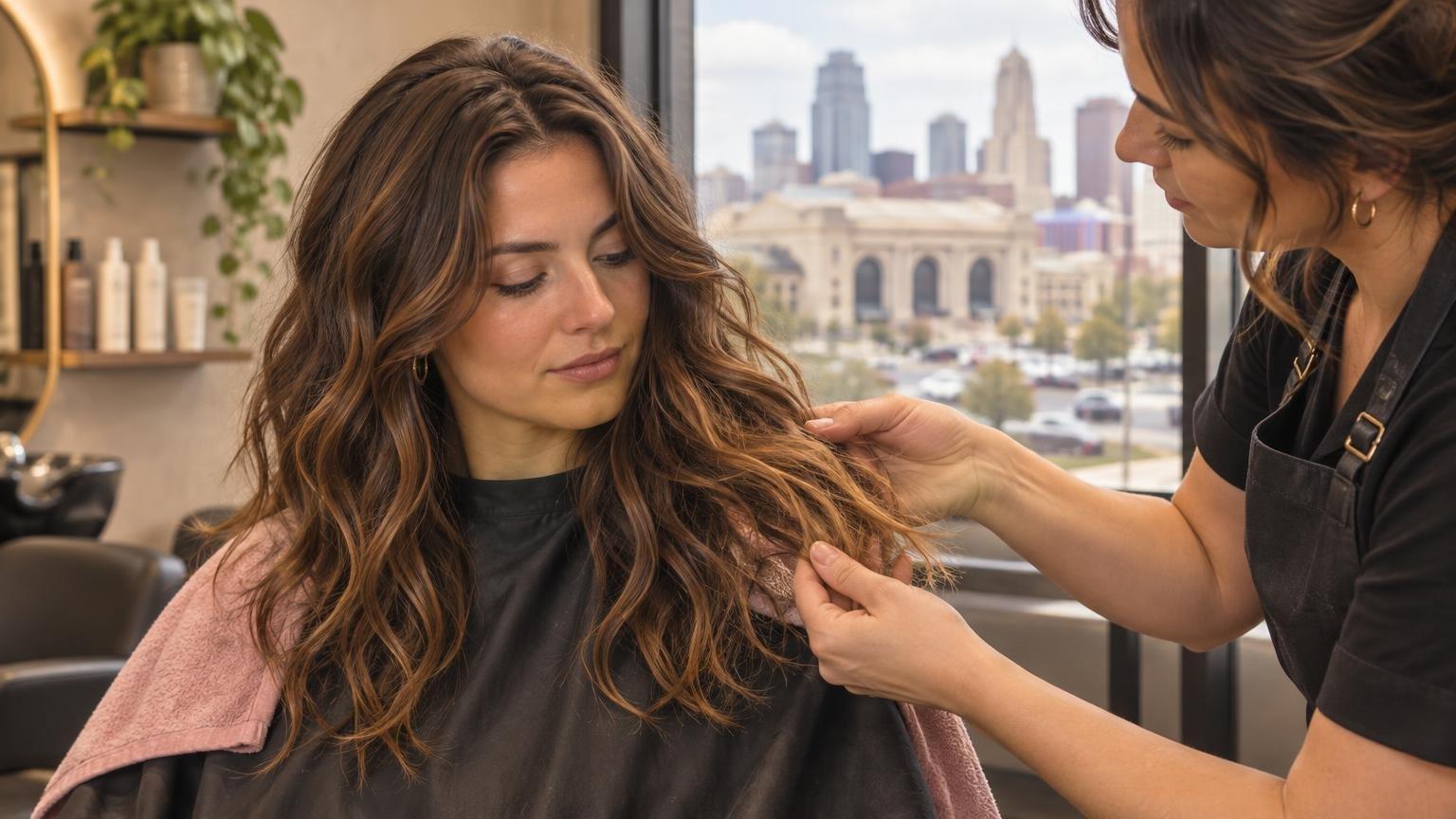
- Scalp and strand check so we can see dryness, oil, or sensitivity
- Talking through your color, cuts, extensions, or any chemical services
- Choosing products that match what we see, not just what is trending
- Setting the right processing time so hair has enough, but not too much, of a good thing
Our focus is balance, not just pouring on moisture. Many guests in our downtown space wear color, highlights, or extensions. Those looks usually need both hydration and strength. We might pair a strengthening step with a hydrating one so your hair feels soft but still solid.
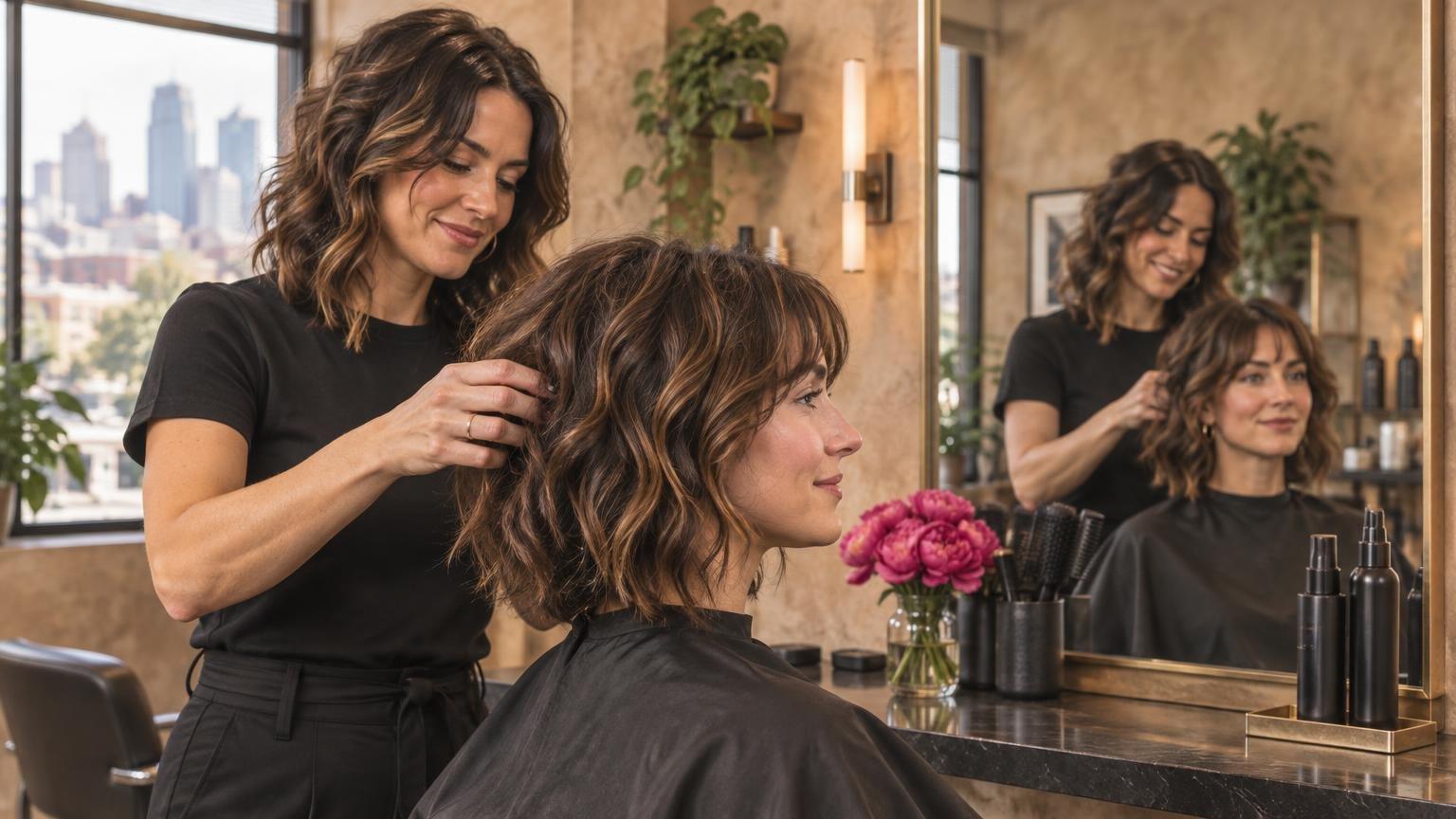
Our salon lives in a warm, loft-style space, and we want the service to feel like a reset for your hair and your headspace. This is not an in and out, rushed visit. You get time, real talk, and answers to your questions while your hair gets what it actually needs.
Salon Secrets to Make Your Results Last All Season
Once your hair feels better, simple daily habits can help keep it that way through the dry months. Some stylist-approved basics:
- Use gentle shampoos and avoid scrubbing your scalp with your nails.
- Rinse with cooler water at the end of your shower to help hair lay flatter.
- Blot with a microfiber towel or soft cotton, not a rough rub.
- Start detangling from the ends and work up slowly.
As the weather cools, it also helps to tweak your styling:
- Turn down the heat setting on your blow dryer and irons.
- Use a heat protectant every single time you use hot tools.
- Try looser, protective styles on windy days to shield your ends.
- Trim on a steady schedule so split ends do not climb up the hair.
At-home products can support what we do in the salon, as long as they fit your hair type. Many people do well with:
- A once-a-week mask that is not too heavy
- A leave-in conditioner or cream for curls and coils
- A light oil or serum on mid-lengths and ends, not on the scalp
Think of fall and winter as a time to rebuild and protect your hair health. When you keep your hair strong now, your color, curls, and favorite styles look better in every season, not just on "good hair days."
Ready for Softer, Stronger Hair This Dry Season
This is a good time to check in with your hair honestly. Does it feel soft, flexible, and easy to style, or does it feel tight, rough, and stubborn? Bring your questions, your photos, and even the products you are using to your next visit. That way we can see the full picture together.
At Skyline Downtown Salon, we love being part of Kansas City's community and helping people feel at home in their own style. Whether you are a regular, new to downtown, or just hair curious and looking for some guidance, you are welcome in our loft. Caring for your hair in dry months is not about perfection, it is about feeling comfortable, confident, and supported by a team that truly has your back.
Revive Your Hair With Luxurious, Lasting Moisture
If your hair feels dry, brittle, or lifeless, our team at Skyline Downtown Salon is ready to help restore softness and shine with targeted treatments like hair deep conditioning in Kansas City. We will assess your hair's unique needs and tailor a conditioning service that supports healthier texture and long-term strength. To schedule your appointment or ask questions about the right treatment for you, simply contact us today.